
NIGERIA · INDEPENDENT BUYER GUIDE
Parts planning works best when it starts with the fleet record and upcoming work. A long shopping list without confirmed applications can create storage costs while leaving the needed component unavailable.
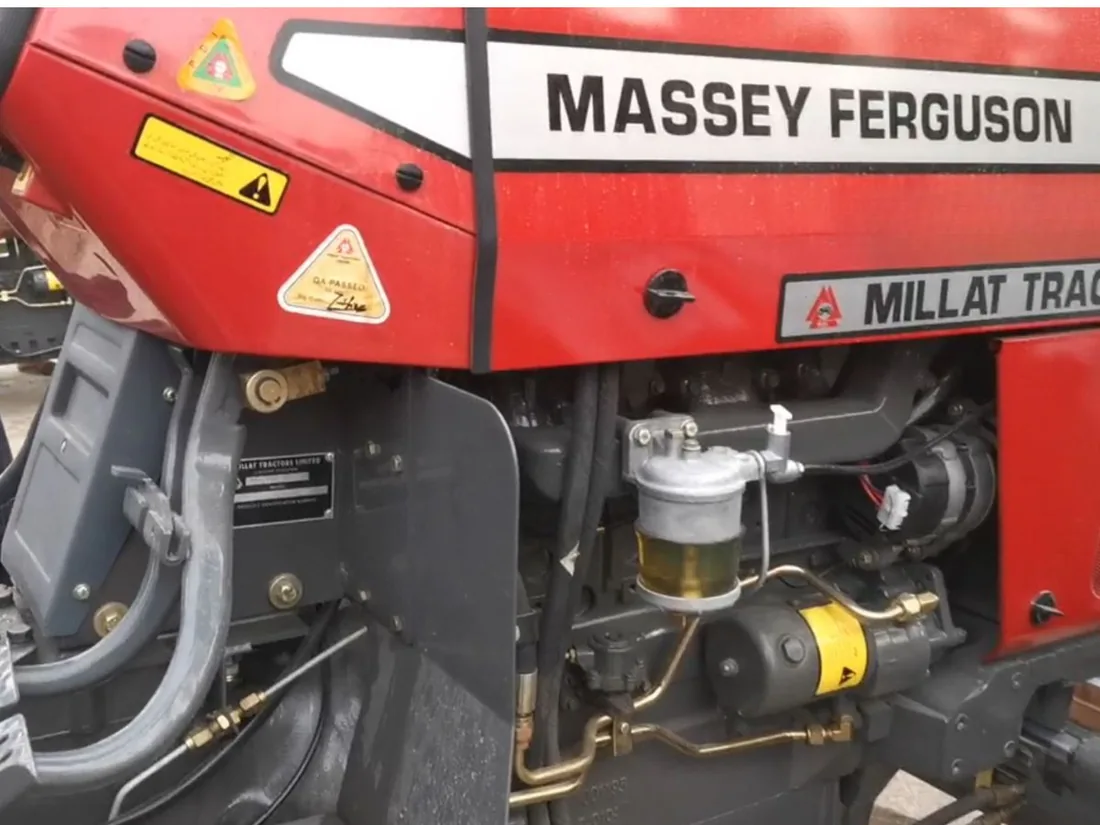
Group demand by machine and job
Record each tractor model, identification and known configuration changes. Link planned service requirements to the applicable manual and service provider advice. Keep an unconfirmed fault separate from an identified replacement-part requirement.
Consider when each tractor is expected to work and where it will be supported. Shared model names do not prove that every component is interchangeable across the fleet.
Build a confirmation column
For every item, record the reference, description, quantity and supplier application confirmation. Include current photographs where identification is incomplete. Distinguish a full assembly from a component supplied within it, and confirm the unit of sale.
Record availability statements with a date. Ask which items are ready, which require sourcing and which are proposed alternatives. An indicative lead time should remain labelled as an estimate until the supplier confirms the order arrangements.
Review stock without guessing demand
- Items already held and correctly labelled
- Confirmed requirements for planned service
- Outstanding identification or diagnosis questions
- Transport arrangements and receiving contact
- Order references, received quantities and discrepancies
Keep parts in appropriate storage and follow supplier or manufacturer handling guidance. Review unused items before repeating an order. A small, accurately identified stock record is more useful than a larger collection of parts with uncertain application.